WOMEN’S SPECIALIST PSYCHOTHERAPIST Private Online Therapy · Worldwide · Brisbane-Based Client resources. Stay or go? When you have a young child together.

You don’t want your child to come from a broken home. Here’s what shapes a child’s wellbeing, the real choice in front of you, and questions to help you decide.

SAVE AS PDF / PRINT ▸
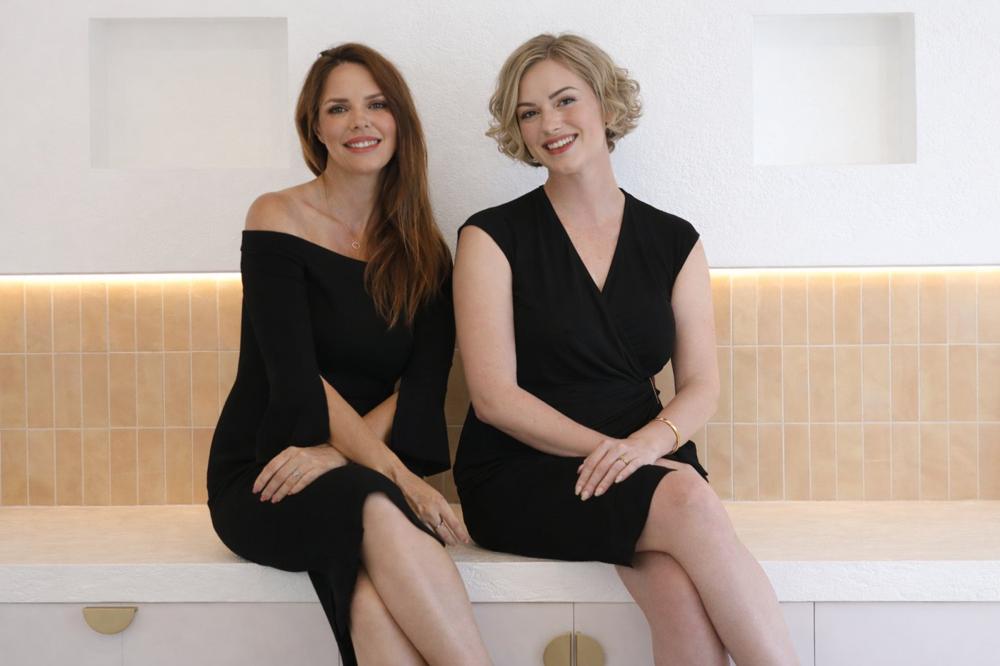
Portrait of Sarah Buckle, women’s specialist psychotherapist in Brisbane

“I DON’T WANT MY CHILD TO COME FROM A BROKEN HOME”

It comes from love.

This is one of the most common reasons people stay in a relationship that isn’t working. It comes from love: you want to protect your child from pain, from upheaval, and from the story that their family “fell apart”.

That instinct deserves respect. It also deserves a closer look, because the thing that most shapes a child’s wellbeing isn’t whether their parents live under one roof. It’s what happens between the adults they love.

WHAT THE RESEARCH TELLS US

Conflict matters more than living arrangements.

Researchers have followed children of separated and together families for decades. A few things stand out:

  • Most children of separated parents grow into well-adjusted adults. Separation is hard in the short term, but most children recover well.
  • Conflict matters more than living arrangements. Children who grow up around constant fighting, contempt or hostility do worse than children whose parents separate and get along. When separation removes a child from a high-conflict home, their wellbeing tends to improve.
  • What happens after separation matters too. Children do best when the conflict stops, both parents stay positively involved, and the parents cooperate.

In plain words: two separated parents who are each happy and respectful can give a child a better start than two parents who stay together and are miserable, disrespectful or violent with each other.

A “broken home” isn’t defined by two addresses. A home where a child learns that love looks like disrespect is the one that hurts.

IT MIGHT NOT BE YOU

It might be this combination.

If you’re in a relationship where the two of you treat each other with no respect, it’s easy to decide you’re the problem: I’m too much. I’m too reactive. I’m impossible to live with.

Here’s a question worth sitting with: have you had other relationships (with friends, family, past partners or colleagues) where you treated each other with respect? Where you felt calm, kind, generous and like yourself?

If so, then this isn’t a problem with you. It’s a problem with this specific relationship combination: the way the two of you bring out the worst in each other.

That matters, because it means:

  • you’re capable of a respectful, loving relationship
  • the dysfunction lives between you, in the patterns you’ve built together
  • without proper help, therapy and support to change those patterns, staying is a commitment to ongoing problems

Patterns like this don’t fade with time. They tend to set harder. And your child is learning from them every day.

THE REAL CHOICE

Two paths, and one that isn’t really a path.

01

COMMIT TO GETTING HELP

Both of you commit to proper help: relationship therapy, individual work where needed, and real change in the behaviours doing the damage. Agree what has to change (the contempt, the yelling, the silent treatment, the put-downs) and what “better” will look like. Give it a genuine, time-bound effort: “we’re doing the work, and we’ll review where we are in a set number of months.”


02

COMMIT TO LEAVING, AND MAKE IT WORTH IT

If you leave, make the leaving count. The point is to give your child a calmer, happier, more respectful life, not to carry the war into two houses. Keep your child out of the middle: no badmouthing, no using them as messengers, no making them choose. Build the most cooperative co-parenting arrangement you can, with a mediator or family lawyer if needed, and put real energy into your own healing.

03

DECIDING NOT TO DECIDE

That’s a decision too. Staying on the fence means committing to chaos, uncertainty, anxiety and panic, not just for you but for your child. Children feel the tension even when no one says a word. This is especially true if your partner is unlikely ever to end the relationship: waiting for things to sort themselves out usually means waiting for the next blow-up.

QUESTIONS TO HELP YOU DECIDE

Take your time. Write the answers down.

  1. If my child grew up and had a relationship exactly like mine, how would I feel?
  2. What does my child see and hear in our home in a typical week?
  3. Have I been calm, kind and respectful in other relationships? What’s different here?
  4. Is my partner willing to genuinely commit to getting help? Am I?
  5. If we did the work and nothing changed in six to twelve months, what would I do?
  6. What am I most afraid of about leaving? Is that fear about my child, or about me (money, judgement, being alone, starting again)?
  7. What would “making it worth it” look like for my child if I left?

IF THERE’S VIOLENCE OR FEAR

Safety comes first.

If your partner’s behaviour includes violence, threats, intimidation or control, or you’re afraid of them, your safety and your child’s safety come first. Couples therapy is generally not recommended where there’s abuse, because it can make things more dangerous.

YOU DON’T HAVE TO DECIDE ALONE

One of the biggest decisions you’ll ever make.

You deserve support while you make it. In our sessions we can untangle the fear from the facts, get clear on what you want for yourself and your child, and work out your next step, whichever path you choose.

A “broken home” isn’t two addresses. It’s a home where love looks like disrespect.

Sarah Buckle, Women’s Specialist Psychotherapist

ABOUT THE AUTHOR

Sarah Buckle

Women’s Specialist Psychotherapist · Brisbane-based, online worldwide

I work with intelligent, capable women experiencing anxiety, panic, trauma and low confidence. I don’t teach coping techniques. I work with my clients to resolve the patterns driving their symptoms. Sessions are online, so I work with women wherever they are in the world.

MEET SARAH ▸

YOUR NEXT STEP · BRISBANE AND WORLDWIDE

Whenever you’re ready...

Want to talk it through?

If we’re already working together, bring this to our next session, or email me any time between sessions.

If you’re new here, you’re welcome to book a private 15-minute consultation. No pressure and no obligation – just an honest conversation about what’s possible for you.

New to working with me? Start with a private consultation, wherever you are in the world.

BOOK A PRIVATE CONSULTATION RETURNING CLIENTS

By phone or online, from anywhere in the world. No referral or mental health plan required.

35+ five-star Google reviews
BOOK A PRIVATE CONSULTATION